Design critique – how teams make better decisions together
⚡ Quick Answer
What's the difference between design critique and regular design feedback?
Design critique is a structured conversation that evaluates work against defined goals and principles, not personal preference. Unlike casual feedback or approval meetings, it focuses on whether the design solves the problem it was meant to solve, using multiple perspectives to identify strengths, weaknesses, and opportunities. The aim is collective intelligence, not consensus or sign-off.
Beyond “I like it” and “I don’t like it”
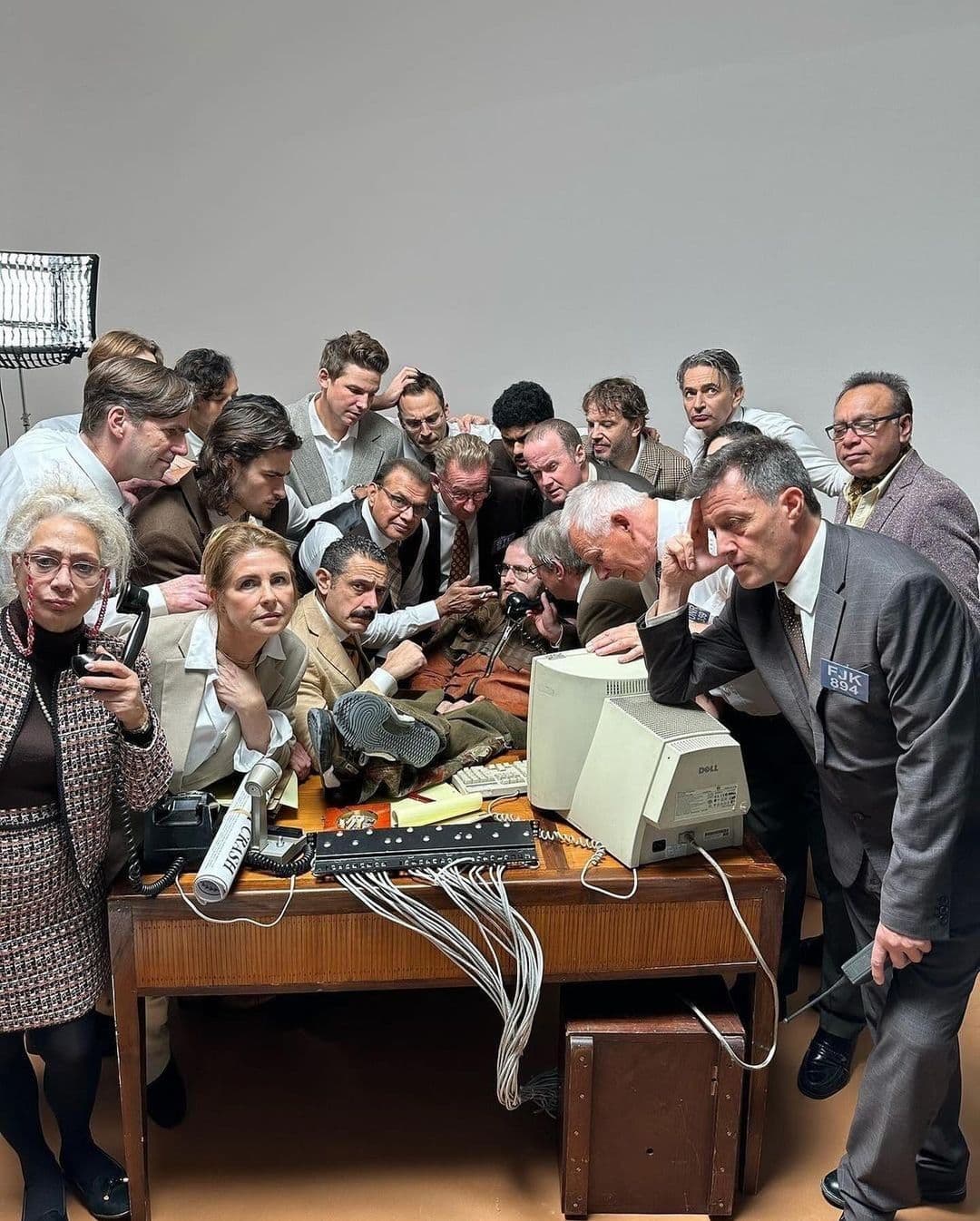
Most design feedback is unhelpful. Comments like “make it pop,” “I’m not sure about the colour,” or “can we try something else” don’t move projects forward. They create confusion, hurt feelings, and wasted iterations.
Design critique is a structured alternative. It’s a method for evaluating design work based on goals and principles rather than personal preference. When done well, critique accelerates decision-making, improves design quality, and builds stronger teams.
This guide covers what design critique is, how to run effective sessions, the roles involved, and common mistakes to avoid.
What is design critique?
Design critique is a structured conversation where team members evaluate design work against defined objectives. Unlike casual feedback or approval meetings, critique focuses on whether the design solves the problem it’s meant to solve.
The goal isn’t consensus or approval. It’s collective intelligence – using multiple perspectives to identify strengths, weaknesses, and opportunities that a single designer might miss.
Design critique is not: a chance to impose personal taste, a meeting to get sign-off, an opportunity to redesign someone else’s work, or a performance review.
Design critique is: an evaluation against goals, a collaborative problem-solving session, a learning opportunity for the whole team, and a way to make better decisions faster.
Why critique matters
Design is full of decisions. Colour, typography, layout, interaction, copy – each choice affects how users experience the product. Without structured feedback, these decisions become guesswork or battles of opinion.
Benefits of regular critique:
Better design outcomes. Multiple perspectives catch problems earlier and generate solutions no individual would find alone.
Faster iteration. Clear, actionable feedback means designers spend less time guessing what to change and more time making meaningful improvements.
Shared understanding. When the whole team discusses design rationale, everyone develops a deeper understanding of the product, users, and brand.
Skill development. Both giving and receiving critique builds design thinking skills across the organisation.
Reduced ego. When critique is normal and frequent, feedback becomes less personal and more productive.
The anatomy of a good critique session
Before the session
The designer prepares context. What problem is this solving? What constraints exist? What decisions have already been made and why? What specific feedback is needed?
Participants prepare mentally. They’re not there to approve or reject – they’re there to help make the work better.
Goals are clear. Everyone knows what stage the design is at and what kind of feedback is useful.
During the session
The designer presents. Brief context, then show the work. Avoid over-explaining or defending – let the design speak first.
Participants ask clarifying questions. Not “why didn’t you…” but “help me understand…” The goal is to see the work through the designer’s eyes before evaluating it.
Feedback focuses on goals. Does this solve the user problem? Does it align with brand principles? Does it meet technical constraints? Personal preference is acknowledged and set aside.
Discussion stays constructive. Identify what’s working, what’s not, and why. Suggest alternatives without dictating solutions.
Someone captures insights. Key points, decisions, and open questions are recorded for reference.
After the session
The designer synthesises. Not every piece of feedback needs action. The designer evaluates input and decides what to incorporate.
Follow-up is clear. What happens next? Another round of critique? Move to development? Further exploration?
Roles in design critique
The presenter
The designer showing work. Their job is to provide context, stay open to feedback, ask clarifying questions, and resist the urge to defend every decision.
Good presenters frame what feedback they need: “I’m confident about the layout but unsure about the colour system” helps participants focus their input.
The facilitator
Keeps the session on track. Ensures everyone participates, feedback stays constructive, and time is managed well. Often not the presenter – it’s hard to facilitate and receive feedback simultaneously.
The facilitator also protects the presenter from pile-ons and redirects vague feedback toward specifics.
The participants
Everyone else in the room. Their job is to understand the context, evaluate against goals (not taste), offer specific and actionable observations, and suggest alternatives rather than demands.
Good participants separate their reactions (“I find this confusing”) from their interpretations (“users might find this confusing because…”).
The language of good critique
Words matter. The same observation can feel helpful or hurtful depending on how it’s framed.
Instead of “I don’t like the colour” try “The colour feels inconsistent with our brand’s energy – we typically use warmer tones to convey approachability.”
Instead of “This is confusing” try “I’m not sure what action the user is supposed to take here. Is the primary CTA the button or the link?”
Instead of “Make it bigger” try “The hierarchy isn’t clear to me – I’m seeing the secondary element before the primary one.”
Instead of “Try a different approach” try “What if we explored a version where the image leads instead of the headline? It might create more emotional impact.”
The pattern: describe the observation, connect it to goals or principles, suggest a direction without dictating the solution.
Common critique mistakes
Critiquing too late. Waiting until design is “finished” means feedback comes when change is expensive. Critique works best when there’s still room to iterate.
Wrong audience. Inviting people who don’t understand the context or goals leads to irrelevant feedback. Keep critique groups small and informed.
No goals defined. Without clear objectives, critique becomes opinion tennis. Always establish what success looks like before evaluating work.
Designer too defensive. Explaining away every critique prevents learning. If feedback is unclear, ask questions – but stay open to the possibility that the work needs to change.
Feedback too vague. “I don’t like it” isn’t actionable. Push for specifics: what exactly isn’t working, and why?
Redesigning in the room. Critique identifies problems – it doesn’t solve them on the spot. Avoid the temptation to sketch solutions during the session.
How often should teams critique?
More often than most do. Weekly critique sessions, even short ones, build the habit and reduce the stakes of any single session.
Some teams critique daily during intensive design phases. Others schedule weekly or bi-weekly sessions. The right frequency depends on pace of work and team size.
The key is regularity. Sporadic critique feels like an event. Regular critique feels like how the team works.
FAQ about design critique
What if stakeholders give unhelpful feedback? Redirect with questions. “Help me understand what’s not working for you” often reveals the real concern behind vague comments. Also consider whether stakeholders have enough context to give useful input.
How do you handle disagreement? Disagreement is valuable – it surfaces different perspectives. The designer ultimately decides what to incorporate, but persistent disagreement might indicate an unresolved question that needs more exploration.
Should critique be anonymous? Generally no. Anonymous feedback reduces accountability and makes follow-up questions impossible. The goal is dialogue, not a comment box.
What’s the right group size? Three to six participants works well. Fewer than three limits perspectives. More than six makes participation difficult and sessions long.
How is critique different from a design review? Reviews are often about approval – should we ship this? Critique is about improvement – how can we make this better? The best teams separate these conversations.
Conclusion
Design critique transforms feedback from a source of friction into a tool for better work. It replaces personal opinion with shared evaluation, defensiveness with curiosity, and guesswork with clarity.
The method is simple: define goals, present work, discuss against those goals, capture insights, iterate. The practice takes time to build – but teams that critique well consistently produce stronger design.
Good critique isn’t about being nice or being harsh. It’s about being useful. When every piece of feedback moves the work forward, design gets better and teams get stronger.