What is a rebrand actually for?
⚡ Quick Answer
How do you know when a business needs a full rebrand versus just a visual refresh?
The distinction comes down to whether your strategy changed or just your taste. If the business is fundamentally the same but the identity looks dated, a refresh, modernizing visuals and tightening the system, is enough. If the audience, offer, or ambition has changed and the brand is actively working against you, a full rebrand covering positioning, messaging, and identity is necessary.
Most rebrands are commissioned for the wrong reason. Someone senior gets tired of the logo. A competitor launches a new identity and the board asks why yours looks old. An agency pitches a "brand refresh" because that's what agencies sell.
None of these are reasons to rebrand. They're reasons to feel restless.
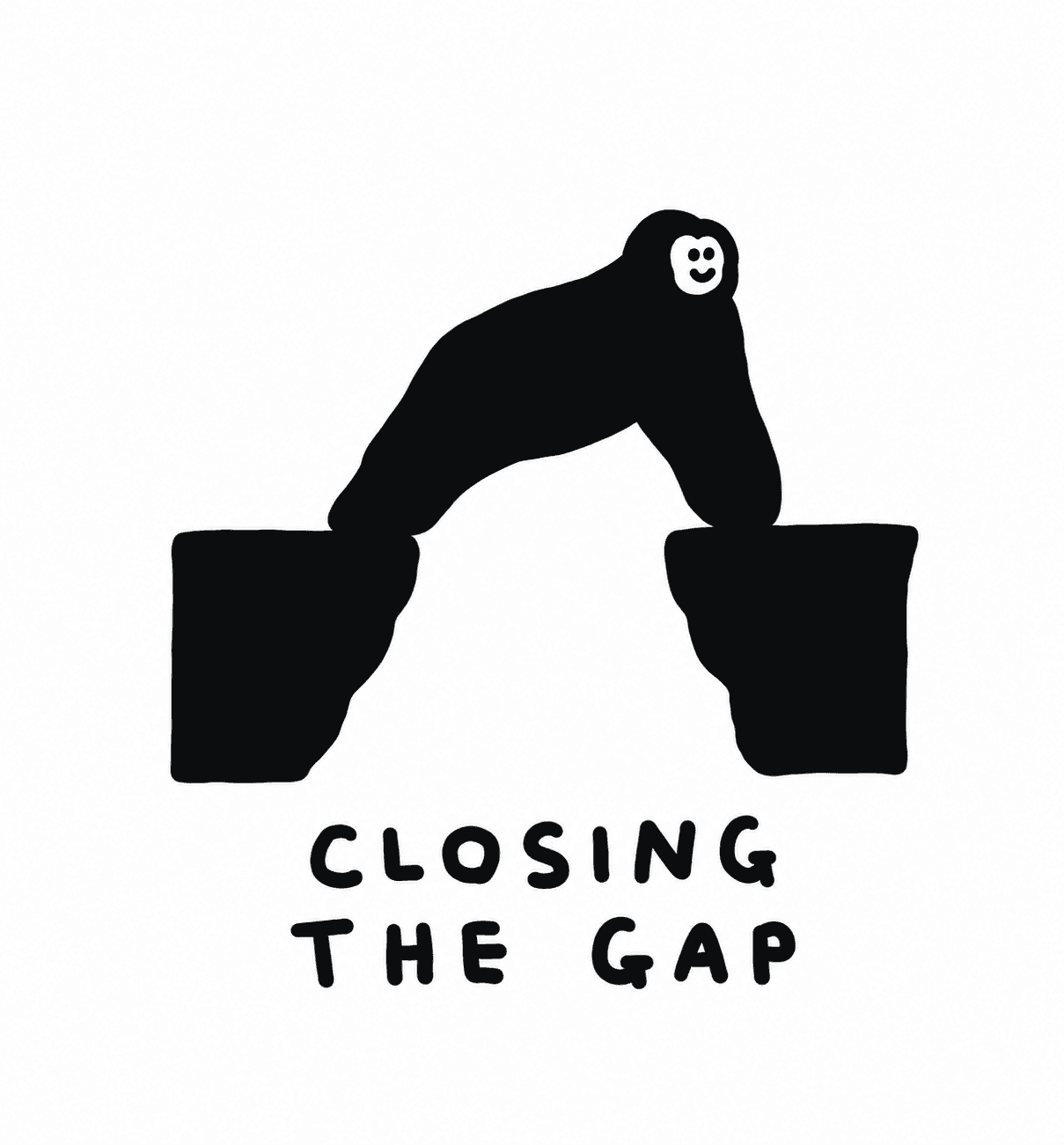
The real purpose of a rebrand is simpler and harder: closing the gap between what your business has become and what your brand still says. When that gap is small, leave the brand alone. When it's large, no amount of marketing spend will paper over it. You're paying media budget to amplify the wrong message.
The gap, explained
Every company drifts. You launch with one offer, one audience, one story. Five years later you've moved upmarket, killed two product lines, entered three countries, and your best customers buy something you didn't even sell at launch.
Your brand, meanwhile, is frozen at the moment someone last paid attention to it.
That's the gap. Customers feel it before you do. It shows up as prospects who are surprised by your pricing, sales calls that start with "so what do you actually do," and a website your own team is quietly embarrassed to send out.
A rebrand exists to close that gap, in positioning first, and only then in identity.
Positioning first, pixels last
This is where most rebrands go wrong. The visible parts of a brand (logo, type, color, motion) are the last 20% of the work. The first 80% is answering questions that have nothing to do with design:
Who are we for now? Not who we were for. The customer you built the company on may not be the customer that funds the next five years.
What do we want to be the obvious choice for? If you can't finish the sentence "when a company needs ___, they call us," your problem isn't visual.
What are we willing to stop saying? A rebrand that adds messages without cutting any just produces a louder version of the same confusion.
Get these answers wrong and the design work is decoration. Get them right and the design work becomes almost easy. The identity has something true to express.
Refresh or rebrand? A simple test
You don't always need to burn it down. The question is whether your strategy changed or just your taste.
- Business is the same, brand just looks dated → refresh. Modernize the identity, tighten the system, keep the equity.
- Business has fundamentally changed (new audience, new offer, new ambition) and the brand is actively working against you → rebrand. Positioning, messaging, identity, the lot.
A useful gut check: if you fixed only the visuals, would your sales conversations change? If the answer is no, a refresh won't save you and a rebrand might.
When a rebrand is the right call
The legitimate triggers are almost always structural:
The business outgrew the brand. You started as a product company, you're now a platform. You sold to SMBs, you now sell to enterprise. The name, the story, the look. All of it signals the smaller version of you.
You're indistinguishable from your category. Open your website next to your three closest competitors. If you could swap the logos and nobody would notice, your brand is a cost, not an asset.
A merger, acquisition, or pivot changed what you are. Two cultures, two customer bases, one confused market. A rebrand is how you write the new story before someone else writes it for you.
Trust needs rebuilding. Sometimes the market's perception is broken and honest. A rebrand can mark a genuine turning point, but only if the business behind it has actually changed. New paint on the same problems makes things worse.
You're about to spend real money on marketing. This one gets overlooked. If a major campaign, market entry, or funding round is coming, fix the brand first. Amplifying a weak brand is the most expensive mistake in marketing.
How the good ones do it
The rebrands that work share a pattern:
They start with a decision, not a mood board. Leadership agrees on where the business is going before anyone opens Figma. The brand is downstream of strategy, always.
They're built inside-out. Your own people are the first audience. If the team can't explain the new positioning in one sentence, customers never will. The internal launch matters as much as the external one.
They keep what's earned. Equity is real. If the market recognizes your name, your color, your tone, think hard before discarding it. The goal is evolution the market can follow, not a witness-protection program.
They ship completely. Half-migrated brands are worse than old ones. Old logo on the invoices, new logo on the site, three tones of voice across sales decks. That's not a rebrand, that's a mess with a launch date. Plan the rollout across every touchpoint before you announce anything.
They treat launch as the start. A brand is proven in the years after launch, not the week of it. The companies that get lasting value from a rebrand keep managing it: governance, guidelines, and the discipline to say no to off-brand ideas.
How you'll know it worked
Skip the vanity metrics. A rebrand worked if, six to twelve months out:
- Sales conversations changed. Shorter explanations, better-fit inbound, fewer price-first negotiations. This is the clearest signal and the least measured one.
- The right people find you. Branded search grows, and the leads coming in match the customer you repositioned for.
- Premium holds. A strong brand lets you charge for what you're worth. If you're still discounting to close, the positioning didn't land.
- Your team uses it. When salespeople voluntarily use the new deck and messaging, the brand has passed its hardest test.
If none of this moves, the problem usually isn't the design. It's that the rebrand skipped the strategy and went straight to the surface.
The bottom line
A rebrand is not a facelift. It's a realignment, the moment you make the outside of the company match the inside again.
Done for the wrong reasons, it's an expensive way to confuse people. Done for the right ones, it's one of the highest-leverage investments a growing company can make: every campaign, every sales call, every hire gets easier when the brand finally tells the truth about the business.
If there's a gap between what you've become and what your brand says. That's the purpose of a rebrand. Close it.